Table Of Content
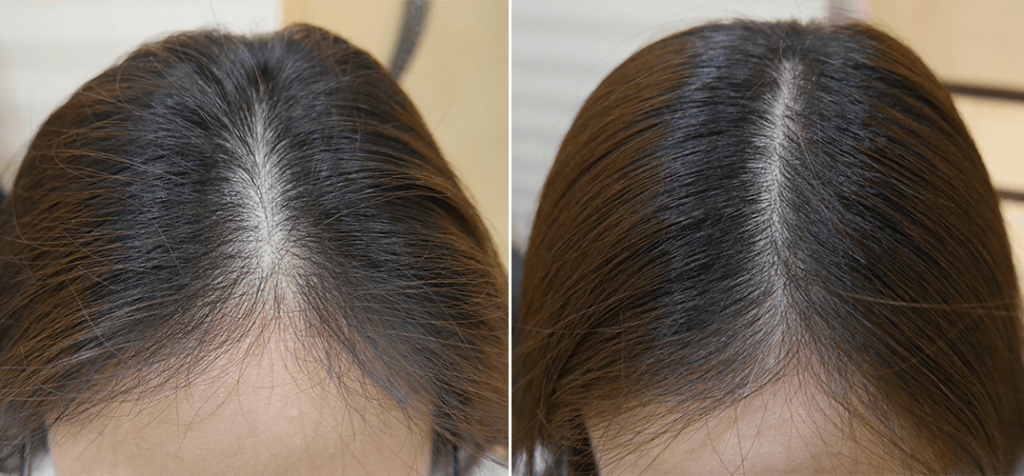
"Some people may have a skin sensitivity to castor oil, and this can cause problems when it’s rubbed into the scalp," Kingsley says. Steer clear if you have a flaky, oily scalp condition, like seborrhoeic dermatitis, as "applying castor oil to your scalp and leaving it on can make the problem worse," she explains. The natural oil is believed to have properties that encourage hair growth, health, and thickness. And being that it supposedly has such an effect on hair, castor oil can be found in many hair care products, as well as brow and lash serums. There’s a lot of misinformation on the internet, hair oiling can help "protect your hair from damage, improve the look of split ends, and prevent breakage," she says.
Hyaluronic Acid Makes Hair Healthy, Shiny and Youthful — Here’s How to Use It
Evidence also supports vitamin E's anti-inflammatory and protective effects against damage from UV light. While more research is needed to fully establish castor oil's hair growth benefits, Garshick acknowledges that anecdotally, people have noticed improvement when using it. This is likely because it benefits the scalp and hair in ways that may help as you grow your hair. While it's commonly used as a laxative, it's also become a popular additive in skin and hair products, particularly as a natural way to improve hair growth.
Best Castor Oils for Hair: Do They Really Work? - Healthnews.com
Best Castor Oils for Hair: Do They Really Work?.
Posted: Mon, 25 Mar 2024 07:00:00 GMT [source]
What Are Hair Oils?
Castor oil is extracted from the castor bean and it’s been used traditionally for a variety of medicinal purposes, mainly as a stimulant laxative. It’s been known to aid in wound healing and has been used to treat skin conditions like dermatitis and fungal infections. But what might be even more impressive is castor oil’s ability to regrow thinning hair. Similarly, if you have dandruff, avoid oiling your scalp, says Reavey. “Malassezia, the bacteria that causes dandruff, feeds on the oils secreted by your scalp," she says. "Adding more oil to your scalp increases the chance of an inflammatory response.” Um, no thanks!
Is castor oil good for the scalp?
Which is why “hair growth requires a comprehensive approach,” including healthy hair and scalp habits. “Castor oil is an oil derived through cold pressing the seeds of the castor plant, which is naturally found in Africa, India, and South America,” explains Joshua Zeichner, MD, a board-certified dermatologist in New York City. And there’s a good reason it’s so noteworthy in the beauty arena for both skin and hair. Plus, it also contains high concentrations of fatty acids, which naturally have emollient benefits to hydrate and soothe the skin, scalp, and hair.
There is no evidence that castor oil applied to the scalp or hair will directly help increase hair growth, says Kunin. Rather, castor oil can indirectly assist in hair growth, says Gaunitz. Before you take the leap and add castor oil to your hair care routine, it’s important to be aware of any possible side effects.
There's also anecdotal evidence to suggest it can be effective on the eyelashes and eyebrows. Nazarian says that while the oil is a known irritant for many, strategically applying a very small amount to eyelashes or eyebrows may help induce regrowth through a specific, localized region. If you're concerned about getting an allergic reaction, do a test patch on a small area of your skin before applying it to these sensitive areas. There’s nothing wrong with using a little castor oil on your face, as it has many other anti-inflammatory and antibacterial benefits for your skin. The research says no — but it may be helpful when used with other strategies to stimulate hair growth, like your diet and lifestyle.
'Thin hair however or hair feeling thin, can happen for a number of reasons such as breakage and even nutritional deficiencies. Castor oil would be of benefit if maintaining the healthy condition of hair, and thus in the case of breakage,' she adds. Castor oil is a natural humectant (retains or preserves moisture) often used in cosmetics — added to products like lotions, makeup, and cleansers — to promote hydration.

And, as with all ingredients and products, there’s always a chance for irritation and allergic reactions, so patch-test your castor oil on your neck before slathering it over your scalp, especially if you have sensitive skin. The biggest risk of using castor oil on your hair is potential scalp acne and build-up, since it’s so rich and occlusive. Many claims have been made about the benefits of using castor oil on your hair.
Because it's rich in fatty acids, castor oil has moisturizing effects. You can also use it in its natural form, which is free of perfumes and dyes. Because it can be irritating to skin, try diluting it with another neutral oil. Black castor oil is known to be particularly rich in all of the necessary vitamins and minerals to promote hair growth, including omega fatty acids and vitamin E. If you fall into the former category or simply want to use the oil to reap the benefits of improved scalp health and silkier, healthier-looking hair, apply the oil two to three times per week, says Gaunitz.
“This oil has antibacterial and anti-fungal properties that help prevent dandruff (which is so helpful in colder months) and scalp infections." Beth Gillette is the beauty editor at Cosmopolitan with more than five years of experience researching, writing, and editing skincare stories that range from hair-growth devices to hair botox. She’s an authority in all hair categories, but is an expert when it comes to castor oil for hair growth after testing dozens of hair growth products to finally grow-out her perpetual lob. She regularly tests and analyzes hair products for efficacy, while working with the industry’s top trichologists and hairstylists to assess new formulas and brands. Castor oil also contains omega-6 fatty acids—a type of essential fatty acid that may promote hair growth and reduce inflammation in the hair follicle. "It’s very important to note that this study was speculative; the ricinoleic acid was not actually tested on humans or animals," Butler explains.
Castor oil also helps with managing frizz and enhancing shine,' says Windle. But anecdotal evidence aside, does using castor oil for hair growth actually work? WH tapped up a trichologist, hair stylist and two afro hair experts to find out.


No comments:
Post a Comment